%2Ffit-in%2F250x250%2Fguide_websites%2F588%2Fimages%2Fimage2.jpeg&w=1920&q=100)
Atlantic Herring Fishing Charter in Mexico NY
Atlantic Herring Fishing in Oswego Waters - What to Expect
%2F%2Fusers%2F7d0dd221-6fa3-40c4-8afe-cf4c76042755%2Fimages%2Fmexico-ny-atlantic-herring-fishing-2401.jpg&w=1920&q=75)
Fishing Charter by Captain Ken Ruszkiewicz in August
- Book Your Lake Ontario Salmon & Trout Fishing Now!


Summary
Join Captain Ken Ruszkiewicz on a fishing charter out of Oswego, NY this August for an exciting day targeting Atlantic Herring and other species. This hands-on fishing experience delivers real results on Oswego's productive waters, where local knowledge and quality equipment put fish in your hands.
Fishing Charter with Captain Ken Ruszkiewicz - Rates & Booking
Captain Ken Ruszkiewicz of SunMoon Adventures guided us on Tuesday, August 5th for an unforgettable fishing charter out of Oswego, NY. This hands-on experience combines proven fishing techniques with local expertise in one of the region's most productive fishing grounds. The charter delivered solid action and genuine results on the water.
Captain Ken brings years of local knowledge to every trip, ensuring you're fishing the right spots at the right time. The charter is equipped with quality gear and tackle needed for a successful day targeting Atlantic Herring and other species. Whether you're a first-timer or experienced angler, the setup allows you to focus on what matters - landing fish and enjoying the experience.
For booking details and current rates, contact SunMoon Adventures directly or visit their website to reserve your charter date.
Highlights of This Fishing Charter
The action on this particular charter was memorable from start to finish. Fishing these waters in early August meant stable conditions and consistent opportunities to work with Atlantic Herring. The crew stayed engaged, adjusting to what the fish were doing throughout the morning and afternoon.
What stood out most was the hands-on approach - you're actively fishing, not just observing. The knowledge Captain Ken shared about reading the water and adapting your technique in real time made a genuine difference in the results. This isn't a passive experience; it's an active day of fishing with someone who knows these waters inside and out.
Local Species Insights: Atlantic Herring
Atlantic Herring are a staple catch in Oswego waters, and for good reason. These silver-sided fish are abundant along the New York shoreline, particularly during the warmer months when they move into productive feeding zones. Herring are schooling fish, which means when you find one, you've often found many - making them rewarding targets for active anglers.
What makes herring fishing interesting is the technique involved. They respond to specific presentations and lures, and Captain Ken's experience in matching the hatch and adjusting your approach throughout the day showed in the consistent catches. Herring are strong fighters for their size, and they provide genuine action on lighter tackle. They're also excellent table fare if you keep some for the cooler.
The waters around Oswego offer ideal habitat for Atlantic Herring, with structure, depth changes, and natural forage that keeps populations healthy and active. Fishing these grounds with a knowledgeable captain means you're working productive territory where the fish want to be, not just hoping to stumble onto them.
Early August conditions were excellent for herring fishing - water temperatures remained stable, light penetration was good, and the overall activity level of the fish matched what we'd expect for the season. Days like this showcase why Oswego remains a solid destination for anglers targeting herring and other coastal species.
Fishing in Oswego, NY: Atlantic Herring
Atlantic Herring Overview
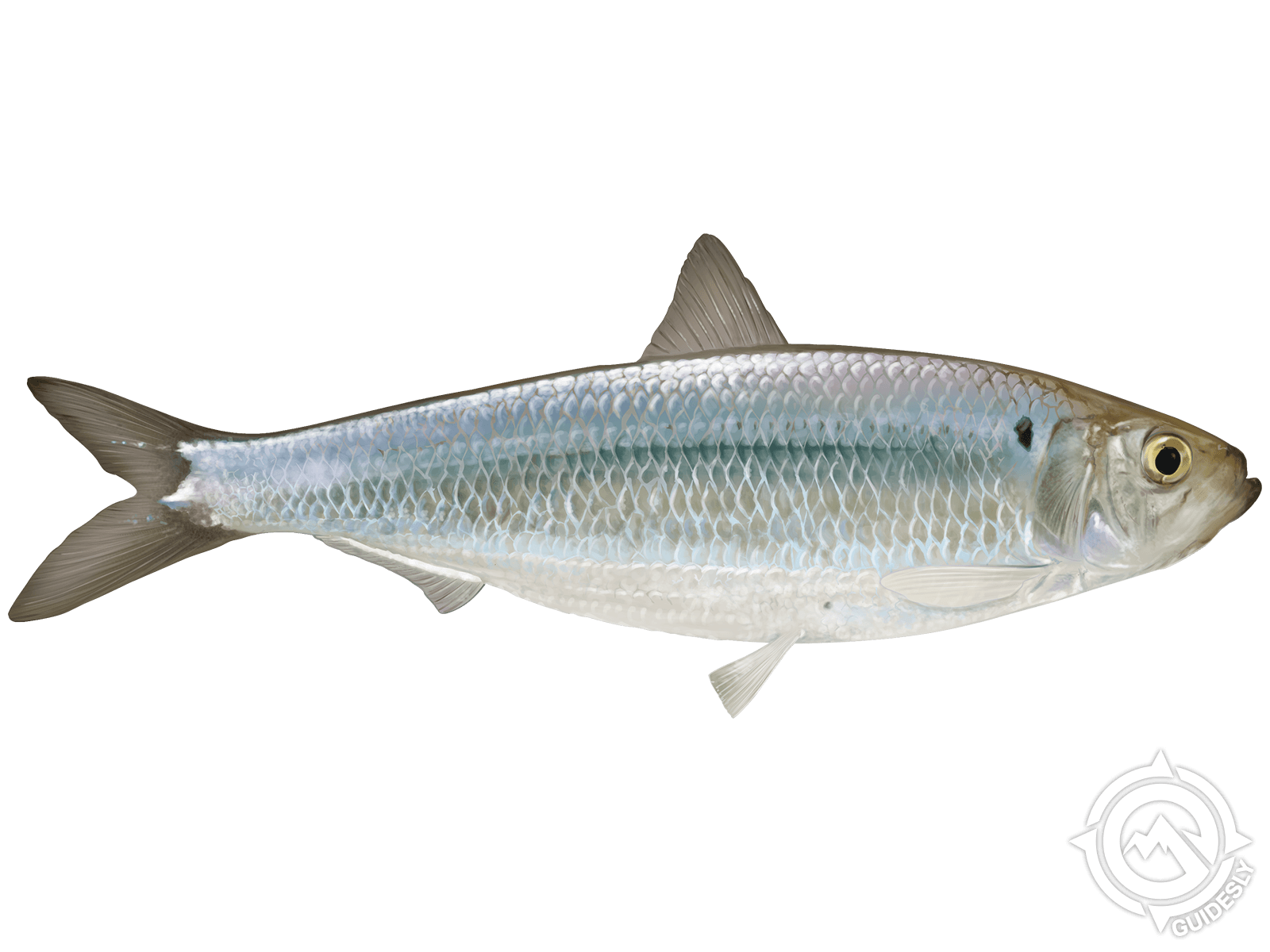
The Atlantic Herring (Clupea harengus) belongs to the family Clupeidae and order Clupeiformes, making it one of the most abundant and economically important fish species in the world. Known affectionately as "The Silver of the Sea," this sleek, torpedo-shaped fish sports a distinctive silvery body with a bluish or greenish back, and it's been a cornerstone of coastal economies for centuries. From New England fishing villages to Gulf of Maine hotspots, Atlantic Herring has fed families and fueled industries since long before modern times. These fascinating fish are perhaps most famous for forming schools of millions—sometimes even billions—creating a natural phenomenon that stretches across nearly five cubic kilometers of ocean. Beyond their ecological significance, they're filter feeders with a quirky behavior: they expel air from their anal duct, earning them the humorous nickname "farting fish."
Atlantic Herring Habitat and Distribution
Atlantic Herring thrive on both sides of the northern Atlantic, with North American populations ranging from the cold waters of Labrador in Canada all the way south to Cape Hatteras in North Carolina. These pelagic fish are true ocean dwellers, typically inhabiting the middle depths between 30 and 300 feet below the surface where they cruise in search of food. The Gulf of Maine and Gulf of St. Lawrence are legendary fishing hotspots where herring congregate in impressive numbers. While they prefer the open sea, Atlantic Herring occasionally venture nearshore and into coastal waters, particularly during their spawning season when they migrate to traditional breeding grounds in late summer and early fall. Their presence in Gulf of Maine waters during these peak periods creates one of nature's most spectacular—and commercially valuable—natural events.
Atlantic Herring Size and Weight
Atlantic Herring are modest in size compared to many gamefish, with a typical adult ranging from 8 to 15 inches in length. Maximum specimens can reach up to 18 inches long and weigh just over 2 pounds, though most caught or netted average closer to 1 pound. Their relatively small, streamlined frame is perfectly adapted for energy-efficient swimming through vast schools, and their proportionally large scales are quite visible and distinctive. Despite their compact size, herring can live up to 20 years in the wild—assuming they avoid the numerous predators that hunt them relentlessly.
Atlantic Herring Diet and Behavior
As carnivorous filter feeders, Atlantic Herring have evolved a unique dining strategy: they simply swim through the water column with their mouths wide open, straining zooplankton, krill, fish eggs, and larvae directly from the water. This feeding behavior makes them incredibly efficient, and it's one reason they can thrive in such massive populations. They're primarily nocturnal, becoming most active under cover of darkness and retreating to deeper waters during daylight hours to escape their many predators—a list that includes tunas, salmon, sharks, dolphins, killer whales, seals, sea lions, and various seabirds. Their schooling behavior serves as a safety strategy; by grouping together by the millions, they confuse predators and increase individual survival odds. Atlantic Herring are not known for impressive speed, cruising at an average of just 43 inches per second, though they can accelerate frantically when pursued.
Atlantic Herring Spawning and Seasonal Activity
The Atlantic Herring's spawning season is one of the most dramatic events in marine ecosystems, typically occurring from late summer through early fall, particularly in Gulf of Maine regions. During this period, millions or billions of herring collect in traditional spawning grounds, creating a frenzy of reproductive activity. Both males and females release their sperm and eggs simultaneously onto the ocean floor in an external fertilization process that blankets vast areas of the seafloor. The fertilized eggs hatch into larvae within 7 to 10 days, and by springtime, these larvae transition into juvenile fish that instinctively begin schooling behavior. This predictable seasonal pattern has made Atlantic Herring spawning a historically important commercial fishing period, though modern management aims to maintain sustainable populations.
Atlantic Herring Techniques for Observation or Capture
Trawling: Commercial and recreational fishers seeking Atlantic Herring typically employ offshore trawling, dragging large nets through the pelagic zones where these fish congregate in schools. This method is highly effective for bulk capture but requires specialized vessels and equipment. Target depths of 30 to 300 feet offshore, particularly in the Gulf of Maine, during late summer through early fall for peak spawning aggregations.
Hook and Line Fishing: While less common for recreational anglers, you can pursue Atlantic Herring with small hooks and light tackle. However, be prepared for frustration—they're notoriously fussy eaters and require patience. Use small live bait, fish in deeper offshore waters, and fish during low-light periods (dawn, dusk, or night) when they're actively feeding. Around New England ports, charter captains familiar with local herring grounds can guide you to productive areas.
Observation and Study: For non-extractive enjoyment, visit coastal research centers or charter trips during spawning season to witness massive herring aggregations. The visual spectacle of water roiling with millions of silver bodies is unforgettable and increasingly popular with ecotourism operators in Atlantic Canada and New England.
Atlantic Herring Culinary and Utilization Notes
Atlantic Herring has been a dietary staple for centuries, valued for its accessibility, flavor, and exceptional nutritional profile. The meat is rich in omega-3 fatty acids and vitamin D, making it a heart-healthy choice recognized by nutritionists worldwide. Fresh herring has a delicate, slightly fishy taste that's enhanced by smoking, pickling, or canning—preparation methods that have preserved this fish in pantries and on tables from Scandinavia to New England for generations. Commercially, herring is sold fresh at market, canned in oil or tomato sauce, smoked, and pickled in vinegar, each preparation offering distinct flavor profiles. Beyond human consumption, Atlantic Herring serves as premium bait for larger gamefish, making it economically valuable to recreational and commercial fishing operations alike. The sustainability of herring stocks is actively managed through quotas and seasonal closures to ensure this resource remains available for future generations.
Atlantic Herring Frequently Asked Questions
Q: What is the best technique to catch Atlantic Herring?
A: Offshore trawling is by far the most effective method, capable of harvesting large numbers. If using hook and line, employ small hooks with tiny live bait, fish deeper offshore zones at night, and prepare for patience—they're fussy eaters and unreliable for recreational angling, which is why herring ranks as Poor Odds for sport fishing. Your success rate will improve significantly if you fish during spawning aggregations in the Gulf of Maine during late summer and early fall.
Q: Where can I find Atlantic Herring in New England?
A: The Gulf of Maine is the premier herring destination in New England, with dense populations between 30 and 300 feet deep year-round and explosive aggregations during spawning season. Cape Cod, Maine's offshore banks, and Nova Scotia waters are also productive. Charter boats operating from Boston, Portland, and other New England ports can locate herring schools, though most commercial and recreational fishing targets other species alongside herring.
Q: Is Atlantic Herring good to eat?
A: Yes—Atlantic Herring ranks as Good Odds for quality consumption. It's nutrient-dense, packed with omega-3 fatty acids and vitamin D, and versatile in the kitchen. Fresh herring can be grilled, pan-fried, or baked; smoked herring offers rich, distinctive flavor; and pickled herring is a classic prepared product. The culinary tradition surrounding herring spans centuries and cultures.
Q: When is the best time to observe or catch Atlantic Herring?
A: Late summer through early fall (typically August to October) during spawning season brings massive herring aggregations to traditional grounds, particularly in the Gulf of Maine. This is when you'll see the most fish and have the highest chance of encounters. Nighttime offers better angling odds, as herring feed more actively after dark. Winter and spring see herring dispersing into deeper, more remote offshore zones.
Q: Why are Atlantic Herring called "farting fish"?
A: Atlantic Herring expel air through their anal duct as a form of communication within their massive schools, producing audible "farting" sounds. Scientists believe this behavior helps coordinate school movements and may confuse predators. It's one of the fish world's most amusing and unexpected behaviors, making herring uniquely memorable to those who encounter them.
Q: Can Atlantic Herring be used as bait?
A: Absolutely. Atlantic Herring is highly sought after as live or frozen bait for larger gamefish including tuna, striped bass, and other predators. Its availability and affordability make it a preferred choice among charter operations and commercial bait suppliers throughout Atlantic Canada and New England waters.